Printable Form 2026

Author: Bismillah

  • IRS Publication 5348 Chinese-Simplified

    IRS Publication 5348 Chinese-Simplified – In today’s diverse taxpayer landscape, accessible resources are crucial for ensuring compliance and maximizing benefits. For Chinese-speaking individuals in the United States, IRS Publication 5348 (zh-s), titled “Get Ready to File” in Chinese-Simplified, serves as a vital tool. This publication, revised in December 2024 and posted on February 10, 2025, offers straightforward tips to prepare for federal income tax filing. Whether you’re a new filer or experienced, understanding this guide can streamline your tax season and help avoid common pitfalls.

    What Is IRS Publication 5348 (Chinese-Simplified Version)?

    IRS Publication 5348 is a concise resource designed to help taxpayers prepare for filing their federal income tax returns. The Chinese-Simplified edition, available as p5348zhs.pdf, translates essential advice into simplified Chinese characters, making it easier for Mandarin speakers to navigate U.S. tax requirements. This version mirrors the English counterpart, focusing on practical steps to gather documents, protect personal information, and utilize IRS tools effectively.

    The guide emphasizes proactive preparation, encouraging users to start early to reduce stress and errors. It’s part of the IRS’s broader effort to provide multilingual support, with basic tax information now available in over 20 languages. For Chinese-speaking communities, this publication bridges language barriers, ensuring everyone can access verified tax guidance without relying on potentially unreliable translations.

    Key Sections and Preparation Tips from the Guide

    Drawing from the content of Publication 5348, here are the main highlights to get you ready for tax filing. These tips are tailored for individuals and cover everything from data protection to electronic filing options.

    Rely on Official IRS Resources for Accurate Information

    The publication stresses using IRS.gov as your primary source for tax queries, filing, refund tracking, and payments. It’s available 24/7, eliminating the need for appointments. Key advice includes:

    • Recognizing legitimate IRS sites (ending in .gov) to avoid scams.
    • Following IRS social media and subscribing to newsletters for updates on tax changes and fraud alerts.

    For multilingual users, the guide notes options like Schedule LEP to request communications in preferred languages, including Chinese.

    Take Immediate Steps for Next Year’s Taxes

    Preparation starts now. The document recommends:

    • Applying for an Identity Protection PIN (IP PIN) to safeguard against identity theft. This six-digit code prevents fraudulent filings using your Social Security Number or ITIN.
    • Creating an IRS Online Account to view past returns, balances, and key data like Adjusted Gross Income.
    • Updating your address via Form 8822 or notifying the Social Security Administration of name changes to ensure timely correspondence.

    Review Eligibility for Credits and Deductions

    Life events such as buying a home, job loss, marriage, or welcoming a child can impact your tax benefits. The guide urges checking qualifications for credits like the Earned Income Tax Credit (EITC), child care credits, and education deductions early. It also covers handling 1099-K forms for payment app transactions and clean energy credits.

    Prepare for Electronic Filing (E-File)

    E-filing is highlighted as the most accurate method, reducing errors and delays. Options include:

    • IRS Free File for those with income under certain thresholds.
    • Free File Fillable Forms for all income levels.
    • Volunteer Income Tax Assistance (VITA) or Tax Counseling for the Elderly (TCE) programs.
    • IRS Direct File, expanding in 2025 to 24 states for simple, secure online filing.

    If using a tax professional, verify their credentials and avoid those promising unusually large refunds.

    Organize Records and Adjust Withholding

    Maintain records supporting income, deductions, and credits. Use the IRS Withholding Estimator to adjust Form W-4 if needed, ensuring you don’t underpay or overpay taxes. Set up direct deposit for faster refunds, and be aware of potential delays for claims like EITC.

    How to Download and Access IRS Publication 5348 (zh-s)?

    The Chinese-Simplified version is freely available on the official IRS website. Download it directly from https://www.irs.gov/pub/irs-pdf/p5348zhs.pdf. For the English version, refer to Publication 5348 at https://www.irs.gov/pub/irs-pdf/p5348.pdf. Search for it on IRS.gov under “Forms & Instructions” for the most current edition.

    If you prefer alternative formats like large print or Braille, submit Form 9000.

    Beyond Publication 5348, explore other multilingual tools:

    • IRS2Go app for mobile access.
    • Translated publications like Publication 17 (Your Federal Income Tax) in Chinese-Simplified.
    • Subscription to IRS News in Spanish or other languages, with expanding Chinese options.

    For year-round planning, check Publication 5349 (zh-s), “Year-Round Tax Planning is for Everyone” in Chinese-Simplified.

    Why This Guide Matters for Tax Compliance?

    IRS Publication 5348 Chinese-Simplified empowers Chinese-speaking taxpayers to file confidently and accurately. By following its tips, you can minimize errors, protect your identity, and potentially qualify for more benefits. Stay informed through official channels to make tax season smoother. For personalized advice, consult a qualified tax professional or visit IRS.gov for the latest updates.
  • IRS Instruction 8941 – IRS Forms, Instructions, Pubs 2026

    IRS Instruction 8941 – IRS Forms, Instructions, Pubs 2026 – In today’s competitive business landscape, providing health insurance to employees can be a significant expense for small employers. Fortunately, the IRS offers a valuable tax incentive through the Small Employer Health Insurance Premium Credit, claimed using Form 8941. This credit helps eligible small businesses and tax-exempt organizations offset the cost of providing health coverage. In this comprehensive guide, we’ll break down the IRS Instruction 8941, covering eligibility, calculations, and step-by-step filing instructions for tax year 2025. Whether you’re a small business owner or a tax professional, understanding this credit can lead to substantial savings.

    What is the Small Employer Health Insurance Premium Credit?

    The Small Employer Health Insurance Premium Credit is a tax benefit designed to encourage small employers to offer health insurance to their employees. Established under section 45R of the Internal Revenue Code, it’s available for tax years beginning after 2009. For 2025, the credit can cover up to 50% of qualifying premiums paid by for-profit employers or 35% for tax-exempt organizations, but it’s subject to limitations based on employee count, wages, and other factors.

    The credit is refundable for tax-exempt eligible small employers (such as 501(c) organizations) and is claimed on Form 990-T, limited to certain payroll taxes paid. For other employers, it’s non-refundable and part of the general business credit on Form 3800, which can offset both regular tax and alternative minimum tax. Importantly, after 2013, the credit is only available for a maximum of two consecutive tax years and requires coverage through a Small Business Health Options Program (SHOP) Marketplace.

    This incentive not only reduces your tax liability but also requires you to reduce your deduction for health insurance premiums by the amount of the credit claimed. For more details on SHOP plans, visit Healthcare.gov.

    Eligibility Requirements for the 2025 Tax Year

    To qualify as an eligible small employer for the 2025 tax year, you must meet three key criteria:

    • Qualifying Arrangement for Premiums: You must pay at least 50% of the premium cost uniformly for each enrolled employee’s health insurance coverage. This can include composite billing (uniform premiums across tiers like employee-only or family) or list billing (age-based premiums), with exceptions for wellness programs, tobacco surcharges, and dependent coverage. Coverage must generally be offered through a SHOP Marketplace, though exceptions apply in areas without SHOP options (per Notice 2018-27) or for Hawaii, where a state waiver prevents claims for plans after 2016.
    • Fewer Than 25 Full-Time Equivalent Employees (FTEs): Calculate FTEs by dividing total employee hours of service by 2,080 (capping at 2,080 per employee). Seasonal workers (120 days or less) are excluded from this count, but their premiums may still qualify. Note that employers with exactly 25 FTEs are typically ineligible due to phaseout rules.
    • Average Annual Wages Below $67,000 per FTE: Wages are based on amounts subject to Social Security and Medicare withholding. Round down to the nearest $1,000. If wages exceed $33,000 and FTEs exceed 10, the credit phases out.

    Related employers (e.g., controlled groups or affiliated service groups) are treated as a single employer for these tests. Excluded from employee counts are owners, partners, certain shareholders, and family members. Leased employees may count under specific conditions.

    If you’re a tax-exempt organization, you must be described in section 501(c) and exempt under 501(a), or a farmers’ cooperative under section 1381.

    How to Calculate the Small Employer Health Insurance Credit?

    Calculating the credit involves several steps and worksheets from Instruction 8941. Here’s an overview:

    1. Determine Eligible Premiums: Only the employer-paid portion of premiums for qualifying health coverage counts. Include wellness costs but exclude employee contributions via salary reductions. Adjust for state subsidies or tax credits, which reduce the credit.
    2. Apply Limitations:
      • FTE Limitation: If FTEs exceed 10, reduce the credit by (FTEs – 10)/15.
      • Wage Limitation: If average wages exceed $33,000, further reduce by (average wages – $33,000)/$34,000 (adjusted for 2025).
      • Average Premium Limitation: Cap premiums at state-specific average small group market rates (use tables in instructions by county, e.g., Alabama’s Autauga County: $8,741 for employee-only, $24,330 for family).
    3. Credit Percentage: Multiply eligible premiums (after limitations) by 50% (for-profit) or 35% (tax-exempt). For tax-exempts, cap at payroll taxes (federal income and Medicare withheld plus employer Medicare paid).

    Use Worksheets 1-7 in the instructions for precise calculations. For example, Worksheet 2 computes FTEs, while Worksheet 4 totals premiums and hours for enrolled employees.

    Step-by-Step Instructions for Completing Form 8941

    Follow these steps based on the 2025 instructions:

    • Line A: Check “Yes” if premiums were paid through SHOP (enter Marketplace ID) or qualify for an exception.
    • Line B: Reserved.
    • Line C: Check “Yes” if this is not your first year claiming the credit post-2013.
    • Lines 1-3: Enter totals from Worksheets 1-3 (employees, FTEs, average wages).
    • Lines 4-6: Premiums paid, average premiums from state tables, and the lesser of the two.
    • Line 7: Multiply line 6 by 50% (or 35% for tax-exempts).
    • Lines 8-9: Apply FTE and wage phaseouts via Worksheets 5-6.
    • Line 10: Subtract state subsidies.
    • Line 11: Lesser of line 9 or 7 (after adjustments).
    • Line 12: Credit before other limitations.
    • Lines 13-14: Adjust for enrolled FTEs via Worksheet 7.
    • Line 15: Add credits from pass-through entities (e.g., K-1s).
    • Line 16: Total credit.
    • Line 17: Allocate for cooperatives, estates, or trusts.
    • Line 18: For tax-exempts only – credit after payroll tax limit.
    • Line 19: Payroll taxes for tax-exempt limitation.

    Partnerships, S corps, and similar entities must file Form 8941; others report directly on Form 3800.

    Common Mistakes to Avoid When Using Form 8941

    • Failing to use SHOP Marketplace coverage (post-2013 requirement).
    • Including ineligible employees (e.g., owners or seasonal workers in FTE counts).
    • Not adjusting for state average premiums or subsidies.
    • Claiming beyond the two-year period.
    • Forgetting to reduce your health insurance deduction by the credit amount.

    Always double-check worksheets and use the correct county-based premium tables.

    Recent Updates and Changes for the 2025 Tax Year

    As of the 2025 instructions (revised December 17, 2025), there are no major legislative changes, but key figures have been updated for inflation:

    • Average wage threshold: $67,000 per FTE (up from prior years).
    • Wage phaseout starts at $33,000.
    • Hawaii waiver continues – no credit for post-2016 plans.
    • Updated state premium tables reflect 2025 small group market averages.

    For the latest developments, check IRS.gov/Form8941. No sequestration reductions are expected for 2026 refunds, based on prior guidance.

    Filing and Claiming the Credit: Next Steps

    File Form 8941 with your tax return (e.g., attach to Form 1120, 1065, or 990-T). If you’re using tax software, ensure it supports the form’s limitations. For pass-through entities, allocate the credit to owners via K-1s.

    Consult a tax advisor for complex situations, such as multi-state operations or related employers. By leveraging this credit, small employers can make health insurance more affordable, boosting employee retention and satisfaction.

    For official forms and instructions, download from IRS.gov. This guide is based on the most current IRS resources as of February 2026.

  • IRS Instruction 8990 – IRS Forms, Instructions, Pubs 2026

    IRS Instruction 8990 – IRS Forms, Instructions, Pubs 2026 – In today’s complex tax landscape, businesses must navigate various deductions and limitations to optimize their tax strategies. One critical area is the deduction for business interest expenses, governed by Section 163(j) of the Internal Revenue Code. IRS Form 8990 plays a pivotal role in calculating these limitations, ensuring compliance while maximizing allowable deductions. This SEO-optimized guide breaks down the essentials of IRS Instruction 8990, including its purpose, filing requirements, recent updates, and practical tips for taxpayers. Whether you’re a small business owner, partnership, or corporation, understanding these instructions can help you manage carryforwards and avoid costly errors.

    What Is IRS Form 8990 and Its Purpose?

    IRS Form 8990, titled “Limitation on Business Interest Expense Under Section 163(j),” is designed to help taxpayers determine the deductible amount of business interest expense for the tax year and any excess to carry forward. The form enforces the rules under Section 163(j), which generally caps the deduction at the sum of:

    • Business interest income,
    • 30% of adjusted taxable income (ATI), and
    • Floor plan financing interest expense.

    Any disallowed business interest expense is carried forward to future years (with exceptions for partnerships, where it’s allocated as excess business interest expense to partners). This limitation applies after other tax rules, such as basis, at-risk, and passive activity loss limitations, and is computed before applying the qualified business income deduction under Section 199A.

    The primary goal is to prevent excessive interest deductions that could erode the tax base, a provision strengthened by the Tax Cuts and Jobs Act (TCJA) and subsequent amendments. For detailed regulations, refer to Treasury Regulations sections 1.163(j)-1 through 1.163(j)-11.

    Who Must File Form 8990?

    Not every taxpayer with interest expenses needs to file Form 8990. Filing is required if you have:

    • Business interest expense,
    • A disallowed business interest expense carryforward from prior years, or
    • Current or prior year excess business interest expense from a partnership.

    This includes individuals, corporations, partnerships, S corporations, and even U.S. shareholders of controlled foreign corporations (CFCs) with relevant interest expenses. Pass-through entities must file if they’re allocating excess taxable income or excess business interest income to owners, even without their own interest expense.

    Exclusions from Filing

    Certain taxpayers are exempt:

    • Small Business Taxpayers: Those meeting the gross receipts test (average annual gross receipts of $31 million or less for 2025, inflation-adjusted) and not classified as tax shelters. However, if they have excess business interest expense from partnerships, filing may still be necessary.
    • Taxpayers with interest expenses solely from excepted trades or businesses, such as electing real property businesses, electing farming businesses, certain regulated utilities, or employee services.
    • If a pass-through entity is exempt but an owner must file, the entity provides required information upon request.

    Aggregation rules apply for gross receipts, including affiliates and controlled groups under Section 448(c). Tax shelters cannot qualify for the small business exemption.

    Key Changes and Updates for 2026

    Tax laws evolve, and Section 163(j) has seen significant adjustments. As of 2026:

    • Public Law 119-21 (One Big Beautiful Bill Act): For tax years beginning after 2024, ATI computation now includes an add-back for deductions related to depreciation, amortization, or depletion. This is reflected on Line 11 of Form 8990.
    • Expanded Floor Plan Financing: Interest on debt for trailers or campers designed for temporary living quarters (towed or affixed to motor vehicles) is now included, broadening eligibility for auto dealers and similar businesses.
    • ATI Exclusions: For years after 2025, ATI no longer includes U.S. shareholder inclusions from CFCs, and capitalized interest (except under specific sections) is subject to limitations.
    • Gross Receipts Threshold: Increased to $31 million for 2025 (relevant for 2026 filings based on prior years).

    Stay informed via IRS.gov/Form8990 for post-publication changes. The form and instructions were revised in December 2025, ensuring alignment with these updates.

    How to Calculate the Business Interest Expense Limitation?

    The calculation on Form 8990 involves four main parts: business interest expense, ATI, business interest income, and the final limitation.

    Step 1: Business Interest Expense (Part I, Section I)

    • Enter current year business interest expense (Line 1), excluding floor plan financing and excepted trades.
    • Add prior year disallowed carryforwards (Line 2).
    • Subtract floor plan financing (Line 4) to get total subject to limitation (Line 5).

    Step 2: Adjusted Taxable Income (ATI) (Part I, Section II)

    Start with tentative taxable income (Line 6), then make additions (e.g., business interest expense, NOL deductions, depreciation add-backs post-2024) and subtractions (e.g., business interest income, non-business gains). ATI floors at zero but can be negative for CFC groups.

    Step 3: Business Interest Income (Part I, Section III)

    Include current year income (Line 23) and prior excess carryforwards (Line 24).

    Step 4: Limitation Calculation (Part I, Section IV)

    • Multiply ATI by 30% (Line 26).
    • Add floor plan financing (Line 27).
    • The allowable deduction is the lesser of this sum or total business interest expense (Line 30).
    • Carry forward any disallowed amount (Line 31).

    For partnerships, use Worksheets A and B to allocate excesses. CFCs may elect a safe-harbor using Worksheet C.

    Special Rules and Considerations

    • Elections for Excepted Businesses: Irrevocable elections for real property or farming businesses require attached statements and use of alternative depreciation systems (ADS).
    • Allocation for Mixed Businesses: Use asset basis to allocate between excepted and non-excepted activities.
    • CFCs and Consolidated Groups: Special rules apply, including group elections for combined limitations.
    • Coordination with Other Deductions: Section 163(j) applies after most other limitations but before Section 199A.

    Download IRS Instruction 8990 PDF

    To access the full details and complete the form accurately, download the latest IRS Instruction 8990 PDF directly from the official IRS website. This Rev. December 2025 version includes all updates for 2026 filings: Download IRS Instruction 8990 PDF.

    By following these IRS Form 8990 instructions, businesses can ensure compliance with Section 163(j) while optimizing deductions. Consult a tax professional for personalized advice, as this guide is for informational purposes only.

  • IRS Form 4720 – IRS Forms, Instructions, Pubs 2026

    IRS Form 4720 – IRS Forms, Instructions, Pubs 2026 – In the complex world of tax-exempt organizations, maintaining compliance with the Internal Revenue Code (IRC) is crucial. One key form that plays a pivotal role in this is IRS Form 4720, officially titled the “Return of Certain Excise Taxes Under Chapters 41 and 42 of the Internal Revenue Code.” This form is essential for reporting and paying specific excise taxes imposed on private foundations, certain charitable organizations, disqualified persons, and managers who engage in prohibited activities. Whether you’re a private foundation executive, a tax professional, or a nonprofit leader, understanding Form 4720 can help avoid costly penalties and ensure your organization operates within legal bounds.

    This SEO-optimized article breaks down everything you need to know about Form 4720, including its purpose, who must file it, the taxes it covers, filing procedures, deadlines, and more. We’ll draw from official IRS guidance to provide accurate, up-to-date information as of 2026.

    What Is IRS Form 4720 and Its Purpose?

    Form 4720 serves as the primary vehicle for calculating and remitting excise taxes related to violations or specific activities under IRC Chapters 41 and 42. These chapters target behaviors that could undermine the charitable intent of tax-exempt entities, such as self-dealing or failure to distribute income properly.

    At its core, the form helps the IRS enforce rules designed to prevent abuse in the nonprofit sector. For instance, it addresses initial taxes on prohibited transactions, excess benefit arrangements, and other infractions. Filing Form 4720 is required for each year (or part of a year) during which a taxable event occurs, ensuring ongoing accountability. It’s often filed alongside other returns like Form 990-PF for private foundations, but separate filings are mandatory for individuals like managers or disqualified persons.

    Who Must File IRS Form 4720?

    Not every nonprofit or individual needs to file Form 4720—it’s specifically for those liable for excise taxes under the relevant chapters. Here’s a breakdown of the primary filers:

    • Private Foundations and Trusts: Organizations filing Form 990-PF or Form 5227 that answer “Yes” to certain questions indicating taxable events, such as self-dealing or excess business holdings.
    • Public Charities and Other Tax-Exempt Entities: Section 501(c)(3) organizations involved in political expenditures, excess lobbying, or excess benefit transactions; hospital organizations failing community health needs assessments; and applicable educational institutions (like private colleges) subject to net investment income tax.
    • Individuals and Managers: Disqualified persons, foundation managers, self-dealers, donors, donor advisors, and related parties who owe taxes. Each must file a separate return, even if the organization also files.
    • Other Entities: Sponsoring organizations of donor-advised funds, charitable remainder trusts with unrelated business income, and tax-exempt entities in prohibited tax shelter transactions.

    If your organization or you as an individual are involved in any prohibited activity, consulting a tax advisor is recommended to determine filing obligations.

    Excise Taxes Covered by Form 4720

    Form 4720 covers a wide array of excise taxes, divided between Chapters 41 and 42. These are “initial” taxes, with additional tiers possible if issues aren’t corrected. Below is a summary:

    Chapter 41 Taxes (Primarily for Private Foundations)

    These focus on foundational compliance issues:

    • Self-Dealing (Section 4941): 10% tax on self-dealers and 5% on managers (up to $20,000 per act) for transactions benefiting disqualified persons.
    • Failure to Distribute Income (Section 4942): 30% on undistributed income.
    • Excess Business Holdings (Section 4943): 10% initial tax, potentially 200% if uncorrected.
    • Jeopardy Investments (Section 4944): 10% on foundations and managers (up to $10,000 per investment).
    • Taxable Expenditures (Section 4945): 20% on foundations and 5% on managers (up to $10,000 per expenditure).

    Chapter 42 Taxes (For Broader Tax-Exempt Organizations)

    These apply to various nonprofits:

    • Excess Lobbying Expenditures (Section 4911): For public charities electing under 501(h).
    • Political Expenditures (Section 4955): 10% on organizations and 2.5% on managers (up to $5,000).
    • Excess Benefit Transactions (Section 4958): Taxes on disqualified persons and managers for benefits exceeding fair value.
    • Excess Executive Compensation (Section 4960): 21% on remuneration over $1 million or excess parachute payments for tax-exempt organizations.
    • Net Investment Income (Section 4968): 1.4% on certain private colleges’ endowments.
    • Other taxes include prohibited tax shelters (Section 4965), donor-advised fund issues (Sections 4966-4967), and community health needs failures (Section 4959).

    Use the form’s schedules (A through O) to report specific taxes.

    How to File IRS Form 4720?

    Filing can be done electronically or on paper, but electronic filing is mandatory for private foundations and entities submitting 10 or more returns annually. Use IRS-approved e-file providers or the Electronic Federal Tax Payment System (EFTPS) for payments.

    For paper filings, include detailed explanations of corrective actions in the relevant schedules. Separate returns are required for organizations versus individuals.

    Filing Deadlines and Extensions for Form 4720

    • Organizations: Due by the filing date of Form 990-PF, 990, or similar (typically the 15th day of the 5th month after the tax year ends, e.g., May 15 for calendar-year filers).
    • Individuals: 15th day of the 5th month after their tax year ends.

    Extensions are available via Form 8868, but any estimated tax must be paid by the original due date. No estimated payments are required for certain taxes like Section 4968.

    Penalties for Late Filing or Non-Payment

    Non-compliance can lead to severe consequences:

    • Interest on unpaid taxes at the underpayment rate (Section 6621).
    • Penalties under Sections 6651 (failure to file/pay), 6684 (prohibited transactions), and potential criminal charges for willful violations.
    • Additional tiers of taxes if issues aren’t corrected promptly.

    Timely filing and correction are key to minimizing these risks.

    Where to File IRS Form 4720?

    • Domestic Filers: Department of the Treasury, Internal Revenue Service Center, Ogden, UT 84201-0027.
    • Foreign or U.S. Territory Filers: P.O. Box 409101, Ogden, UT 84409.

    Use designated private delivery services for timely postmarking.

    Recent Updates to Form 4720 (As of 2026)

    For tax year 2025 (filed in 2026), key changes include:

    • Mandatory separate returns for managers and disqualified persons.
    • Expanded electronic filing requirements.
    • Revised reporting for multiple organizations and corrective actions moved to specific schedules.

    Stay updated via IRS notices for ongoing changes, such as new prohibited tax shelter transactions.

    How to Download IRS Form 4720?

    You can download the latest version of IRS Form 4720 directly from the official IRS website. Here’s the link: Download IRS Form 4720 PDF. For instructions, visit IRS Instructions for Form 4720.

    Conclusion: Staying Compliant with IRS Form 4720

    Navigating IRS Form 4720 requires careful attention to detail, but understanding its requirements can protect your organization from unnecessary taxes and penalties. By focusing on prevention—through proper governance and regular audits—you can avoid the need to file altogether. If you’re unsure about your obligations, consult a qualified tax professional. For the most current information, always refer to IRS.gov. This guide is for informational purposes and not a substitute for professional advice.

  • IRS Pub 907 – Tax Highlights for Persons With Disabilities

    IRS Pub 907 – Tax Highlights for Persons With Disabilities – If you’re navigating the complexities of taxes as a person with disabilities or as a caregiver, IRS Publication 907 serves as a vital resource. This guide outlines key tax benefits, deductions, and credits designed to ease financial burdens and promote independence. Updated for the 2025 tax year, it covers everything from income exclusions to ABLE accounts, helping you maximize your tax savings. Whether you’re dealing with disability pensions, medical expenses, or work-related accommodations, understanding these highlights can make a significant difference. For the full details, you can download the official PDF directly from the IRS website: Download IRS Pub 907 PDF.

    In this SEO-optimized article, we’ll break down the main sections of IRS Pub 907, including eligibility criteria, examples, and tips for claiming benefits. Remember, while this overview is based on official IRS guidance, tax situations vary—consult a tax professional or use IRS tools like the Interactive Tax Assistant for personalized advice.

    What’s New in IRS Pub 907 for 2025?

    The IRS regularly updates Publication 907 to reflect changes in tax laws and limits. For 2025, key updates include:

    • An increase in the ABLE account annual contribution limit to $19,000, with additional allowances for employed beneficiaries.
    • Higher income limits for the Saver’s Credit (also known as the Credit for Qualified Retirement Savings Contributions): up to $39,500 for single filers, $59,250 for heads of household, and $79,000 for married couples filing jointly.

    These adjustments aim to provide more support amid rising costs, ensuring persons with disabilities can better plan for their financial future.

    Income Exclusions and Taxable Disability Payments

    One of the core focuses of IRS Pub 907 is how disability-related income is treated for tax purposes. Not all payments are taxable, which can lead to significant savings.

    Nontaxable Income Sources

    • Social Security and Supplemental Security Income (SSI): SSI payments are fully nontaxable. However, Social Security Disability Insurance (SSDI) or Railroad Retirement benefits may be partially taxable if your total income exceeds certain thresholds (e.g., $25,000 for single filers or $32,000 for joint filers). Use Form 1040 lines 6a and 6b to report these, and refer to Pub. 915 for worksheets.
    • Disability Pensions: These are taxable as wages until you reach minimum retirement age, then shift to pension income. Exceptions include payments for injuries from terrorist attacks, which are nontaxable.
    • Veterans Affairs (VA) Benefits: Disability compensation, pensions, education allowances, and similar payments from the VA are generally excluded from income.
    • Other Exclusions: Workers’ compensation, compensatory damages for physical injuries, long-term care insurance benefits, and accelerated death benefits for the terminally or chronically ill are typically nontaxable.

    Taxable Income Examples

    If you receive a disability pension from a private employer, it might be reported on Form 1099-R and taxed accordingly. For military or government pensions, most are taxable unless specifically exempted. Always check Pub. 525 for details on miscellaneous income.

    Pro Tip: Set up a “my Social Security” account at SSA.gov/MyAccount to track your benefits, estimate future payments, and manage direct deposits—it’s a free tool highlighted in Pub 907 for easy access.

    Persons with disabilities often incur higher medical costs, and IRS Pub 907 explains how to deduct these on Schedule A (Form 1040) if they exceed 7.5% of your adjusted gross income (AGI).

    Qualifying Medical Expenses

    Deduct costs for diagnosis, treatment, or prevention of disease, including:

    • Equipment like hearing aids, wheelchairs, or artificial limbs.
    • Transportation to medical appointments.
    • Home improvements for accessibility (e.g., ramps or widened doorways), minus any increase in home value.
    • Guide dogs or service animals, including their care.
    • Special education for those with intellectual disabilities.

    See Pub. 502 for a full list and examples.

    These are a standout benefit: Deduct unreimbursed expenses necessary for work due to your disability, such as attendant care or modified equipment. Unlike standard medical deductions, these aren’t subject to the 7.5% AGI floor and can be claimed as business expenses on Schedules C, E, or F (or Form 2106 for employees). Eligibility requires a physical or mental impairment that substantially limits major life activities, like walking or working.

    Example: If you’re blind and need a reader to perform your job, those costs qualify as impairment-related work expenses.

    Tax Credits to Reduce Your Tax Bill

    Tax credits directly lower your tax liability, and Pub 907 details several targeted at persons with disabilities.

    Child and Dependent Care Credit

    Claim up to 35% of qualifying care expenses (max $3,000 for one dependent, $6,000 for two or more) if the care enables you to work. A qualifying person includes a disabled spouse or dependent unable to self-care. File with Form 2441.

    Credit for the Elderly or the Disabled

    Available if you’re 65+ or permanently and totally disabled (unable to engage in substantial gainful activity). Calculated on Schedule R (Form 1040), this credit can reduce taxes for lower-income individuals.

    Earned Income Credit (EIC)

    For 2025, income limits range from $19,104 (no children, single) to $68,675 (three+ children, joint). A qualifying child can be any age if permanently and totally disabled. Disability retirement benefits count as earned income before minimum retirement age.

    Saver’s Credit

    This nonrefundable credit rewards contributions to retirement plans or ABLE accounts, up to $1,000 ($2,000 joint). It’s ideal for building long-term savings without tax penalties.

    ABLE Accounts: A Tax-Advantaged Savings Tool

    ABLE (Achieving a Better Life Experience) accounts are a game-changer for eligible individuals with disabilities onset before age 26. These state-administered accounts allow tax-free growth on savings used for qualified disability expenses, like housing, education, or assistive technology.

    • Contribution Limits: $19,000 annually, plus extra for employed beneficiaries (up to the lesser of your compensation or the federal poverty line—$15,650 in most states).
    • Eligibility: Based on Social Security disability criteria or a physician’s certification of severe impairments.
    • Distributions: Tax-free if used for qualified expenses; otherwise, taxable with a 10% penalty.
    • Rollovers: Tax-free transfers to another ABLE account or from a 529 plan.

    Upon the beneficiary’s death, states may claim funds for Medicaid recovery. Report contributions on Form 5498-QA and distributions on Form 1099-QA.

    Compare programs at ABLE National Resource Center to find the best fit.

    Business Incentives and Household Employer Rules

    If you’re an employer, Pub 907 covers incentives like the Disabled Access Credit (Form 8826) for ADA compliance and the Work Opportunity Credit (Form 5884) for hiring individuals with disabilities. For household employers hiring in-home help, you may need to handle employment taxes—see Pub. 926 for thresholds and rules.

    How to Get Help and Stay Updated?

    The IRS offers accessible resources, including the Accessibility Helpline (833-690-0598) and alternative formats via Form 9000. Use IRS.gov for free filing options, VITA/TCE programs for low-income or disabled taxpayers, and tools like the EITC Assistant. Check IRS.gov/Pub907 for future developments.

    In summary, IRS Publication 907 empowers persons with disabilities by highlighting tax relief options that support financial stability. Download the full guide here: IRS Pub 907 PDF. Always verify your eligibility and consider professional advice to ensure compliance with the latest tax rules.

  • Instructions for IRS Form SS-4 – Application for Employer Identification Number (EIN) PDF

    The document “Instructions for Form SS-4 (Rev. December 2023)” provides step-by-step guidance to correctly complete the Form SS-4, the IRS’s official application for an Employer Identification Number (EIN)

    2. Purpose and Key Highlights

    • Purpose of Form SS-4: Used to apply for an EIN—a nine-digit number (e.g., 12-3456789) needed by businesses and entities for federal tax filing and reporting.
    • What’s New (as of Dec 2023):
      • Updates to Line 14 regarding wage ceilings for employers in U.S. territories.
      • Additional guidance on Lines 1 and 9a for Indian tribal governments or tribal enterprises.
      • Consolidation of Spanish-language versions: SS-4PR is discontinued and now forms SS-4 and SS-4(SP) are available.

    3. Applying for an EIN: Methods & Guidelines

    • Online (U.S. & U.S. territories): Apply via the IRS website (IRS.gov/EIN). It’s free and you’ll receive your EIN immediately, with an option to view, print, and save your assignment notice.
    • Telephone (International applicants only): Call 267-941-1099 (6 a.m. – 11 p.m. ET, Mon–Fri). Have your completed SS-4 ready—a signed form may need to be faxed or mailed within 24 hours upon request.
    • Fax: Email your completed SS-4 to the appropriate fax number listed in the “Where To File or Fax” section. You’ll typically receive your EIN by fax within about 4 business days.
    • Mail: Send the completed SS-4 to the correct IRS address (based on your location). Processing generally takes 4–5 weeks.

    4. Additional Instructions in the Document

    • The PDF includes detailed requirements per line item on the form.
    • It also covers important reminders, such as:
      • Only one EIN per responsible party per day, to ensure fairness.
      • If you haven’t received your EIN by the due date, you may write “Applied For” along with the date on the required tax paperwork.
      • Changes to your responsible party, address, or location must be reported using Form 8822-B within 60 days.

    You can download the official instructions here:

    [Download: Instructions for Form SS-4 (Rev. December 2023) — PDF]

  • IRS SS4 Form – Application for Employer Identification Number PDF

    When starting a business in the United States, one of the first steps many entrepreneurs and organizations need to take is applying for an Employer Identification Number (EIN). This is done using the IRS SS-4 Form – Application for Employer Identification Number. The EIN acts much like a Social Security Number, but for a business entity, and is essential for tax reporting, hiring employees, and opening a business bank account.

    What is the SS-4 Form?

    The SS-4 Form is an official document provided by the Internal Revenue Service (IRS). Businesses, non-profit organizations, trusts, estates, and even some individuals use it to apply for an EIN. The EIN is a nine-digit number assigned by the IRS to uniquely identify a business entity for federal tax purposes.

    An EIN is often required for:

    • Filing federal and state taxes
    • Hiring and paying employees
    • Opening a business bank account
    • Applying for business licenses or permits
    • Establishing credit under a business name

    Who Needs an EIN?

    Not every business is required to have an EIN, but most do. Generally, you need one if your business:

    • Has employees
    • Operates as a corporation or partnership
    • Withholds taxes on income other than wages paid to a non-resident alien
    • Has a Keogh plan
    • Is involved with certain types of organizations such as trusts, estates, or non-profits

    Even sole proprietors without employees often apply for an EIN to separate business and personal finances.

    How to Get the SS-4 Form?

    The SS-4 Form can be downloaded directly from the IRS website in PDF format. After filling it out, you can apply for an EIN in different ways:

    1. Online – The fastest method via the IRS EIN Assistant.
    2. By Fax – Fill out and fax the form to the appropriate IRS office.
    3. By Mail – Mail the completed SS-4 Form, though this is the slowest option.
    4. By Phone – Only available for international applicants.

    👉 Download IRS SS4 Form – Application for Employer Identification Number PDF

    Key Sections of the SS-4 Form

    When completing the SS-4 Form, you’ll be asked for information such as:

    • Legal name and trade name of the business
    • Responsible party’s name and Social Security Number (SSN) or ITIN
    • Mailing address
    • Type of entity (corporation, LLC, partnership, sole proprietorship, etc.)
    • Reason for applying (new business, banking purposes, etc.)
    • Number of employees expected in the next 12 months
    • First date wages or annuities were paid, if applicable

    It’s important to provide accurate details to avoid delays in processing.

    Tips for Completing the SS-4 Form

    • Double-check your entity type before submission.
    • Ensure the responsible party’s information is correct.
    • Use the official IRS PDF form for accuracy.
    • If unsure, consult with a tax professional or accountant.

    The IRS SS-4 Form – Application for Employer Identification Number is an essential step for anyone looking to establish or grow a business in the U.S. With an EIN, your business gains credibility and the ability to properly comply with tax obligations. Whether you’re a startup, non-profit, or established company, filling out and submitting this form ensures your business is legally recognized for federal tax purposes.

  • Ca W4 Form 2025

    Ca W4 Form 2025

    Ca W4 Form 2025Are you ready for a bright and exciting future? Get ready to embark on a journey of transformation with the Ca W4 Form 2025! This form is set to revolutionize the way we plan for our financial futures and pave the way for a more secure and prosperous tomorrow. Say goodbye to uncertainty and hello to a world of possibilities with Ca W4 Form 2025!

    Get Ready for an Exciting Transformation!

    With Ca W4 Form 2025, you can say goodbye to the stress and confusion of financial planning. This innovative form will simplify the process of calculating your tax withholdings and ensure that you are on the right track to meet your financial goals. Imagine a future where you can confidently plan for your retirement, save for a dream vacation, or invest in your children’s education without any worries. Ca W4 Form 2025 is here to make that dream a reality!

    Planning for the future has never been easier with Ca W4 Form 2025. This user-friendly form will guide you through the process of determining your tax withholdings based on your individual circumstances, making it easier than ever to take control of your financial future. By using Ca W4 Form 2025, you can set yourself up for success and ensure that you are prepared for whatever the future may bring. Don’t wait any longer – take the first step towards a brighter tomorrow with Ca W4 Form 2025!

    Planning Ahead: Ca W4 Form 2025 Revealed!

    The future is bright with Ca W4 Form 2025! This revolutionary form will empower you to take control of your financial future and plan for the life you’ve always dreamed of. Whether you’re a young professional just starting out or a seasoned investor looking to optimize your financial strategy, Ca W4 Form 2025 has something to offer everyone. Say goodbye to uncertainty and hello to a world of possibilities with Ca W4 Form 2025!

    In conclusion, the future is looking brighter than ever with Ca W4 Form 2025! Say goodbye to financial stress and hello to a world of possibilities with this innovative form. Take control of your financial future and start planning for the life you’ve always dreamed of. The time is now to unveil the bright future that awaits you with Ca W4 Form 2025!

    Ca W4 Form 2025

    Related Forms…

    [show-list showpost=10 category=”w4-form” sort=sort]

    Ca W4 Form 2025 Images

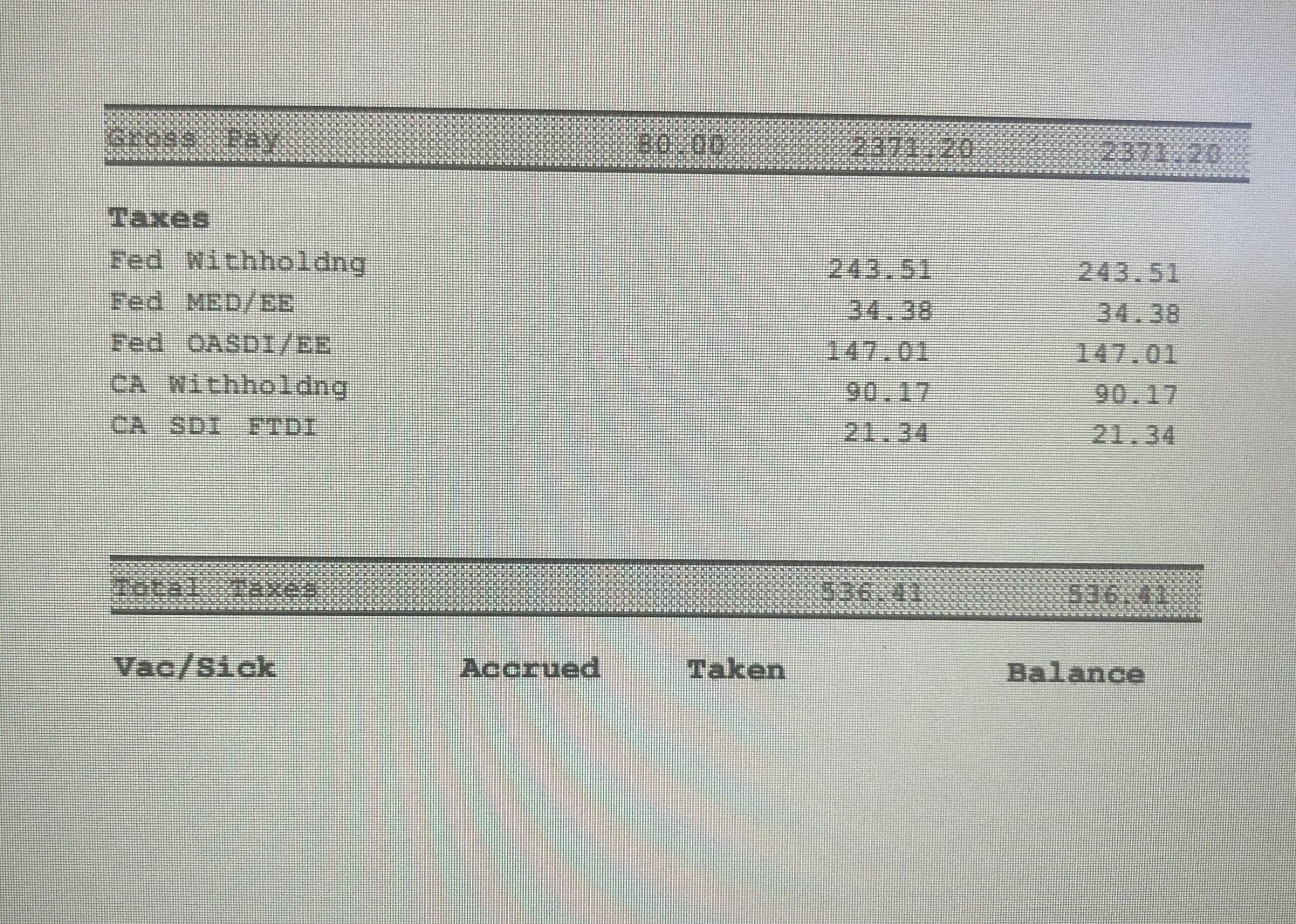
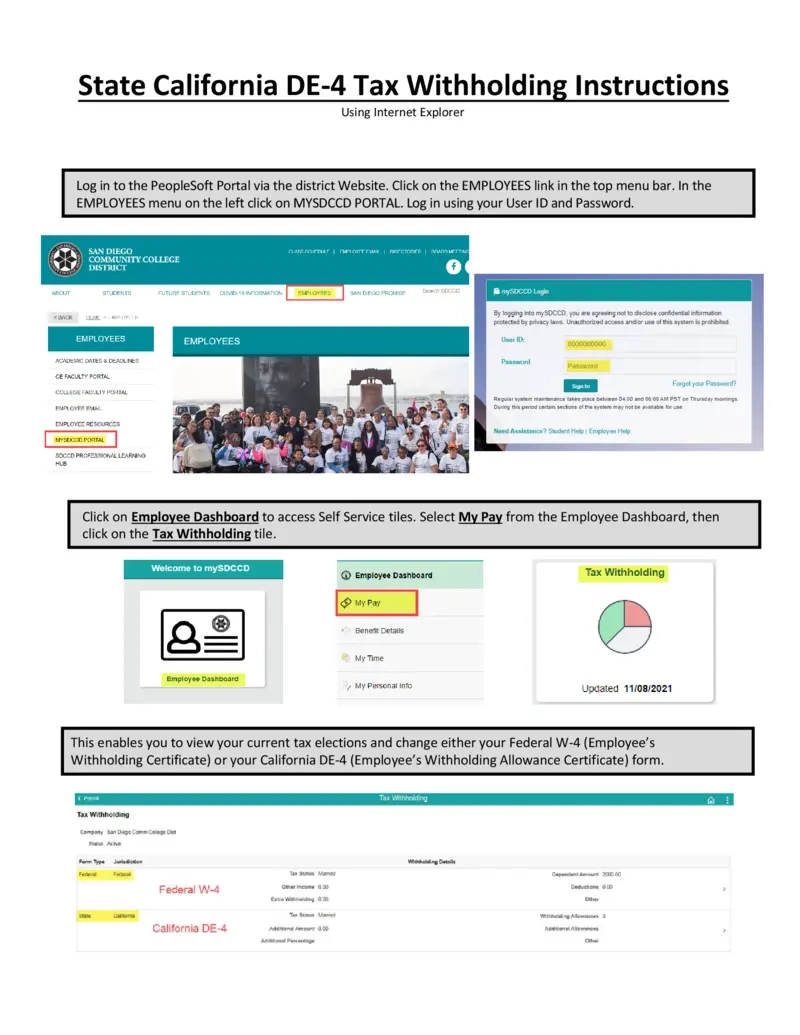
    Free California De-4 Tax Withholding Instructions | Printfriendly intended for Ca W4 Form 2025

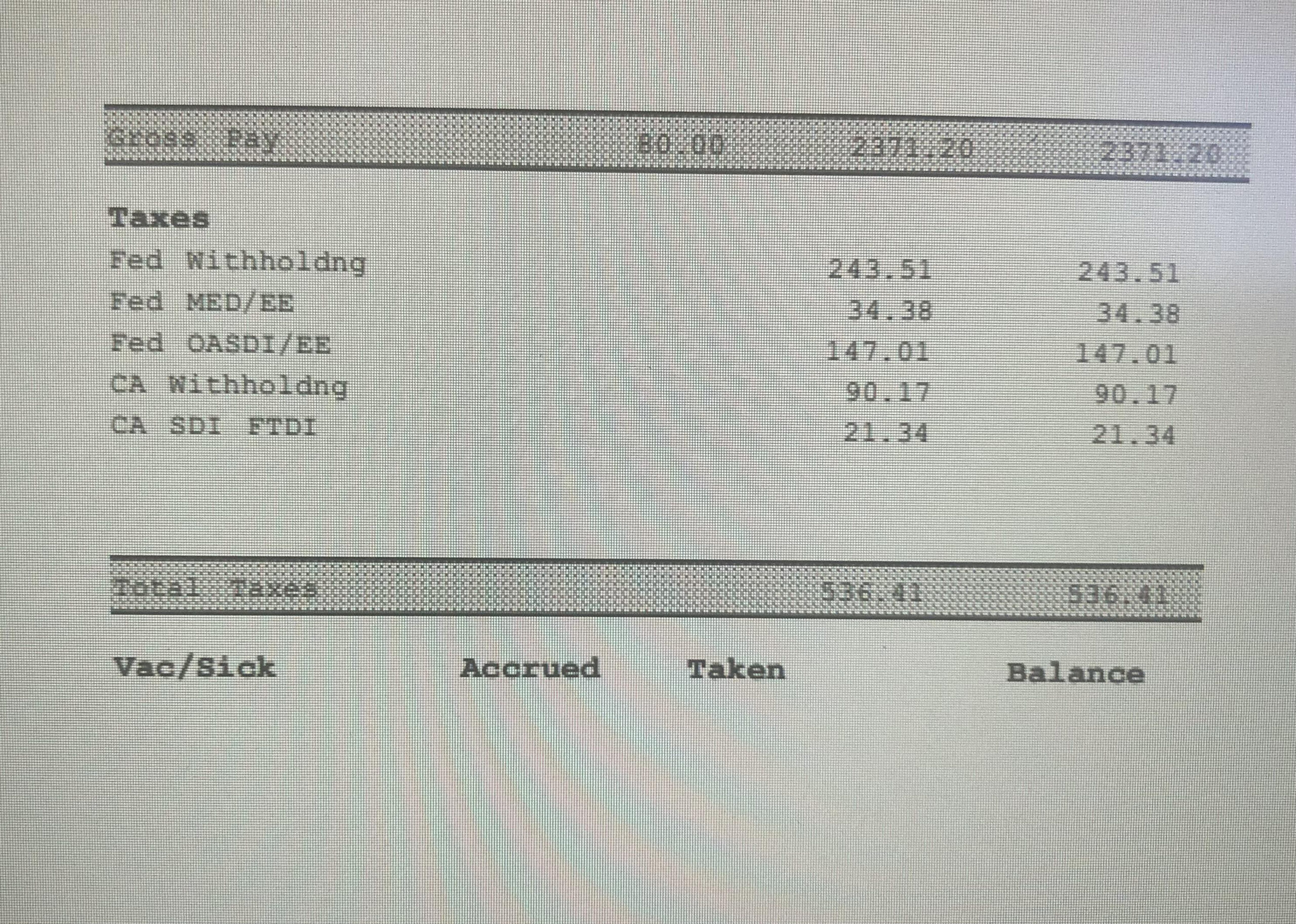
    Ca W-4 Questions : R/Tax in Ca W4 Form 2025

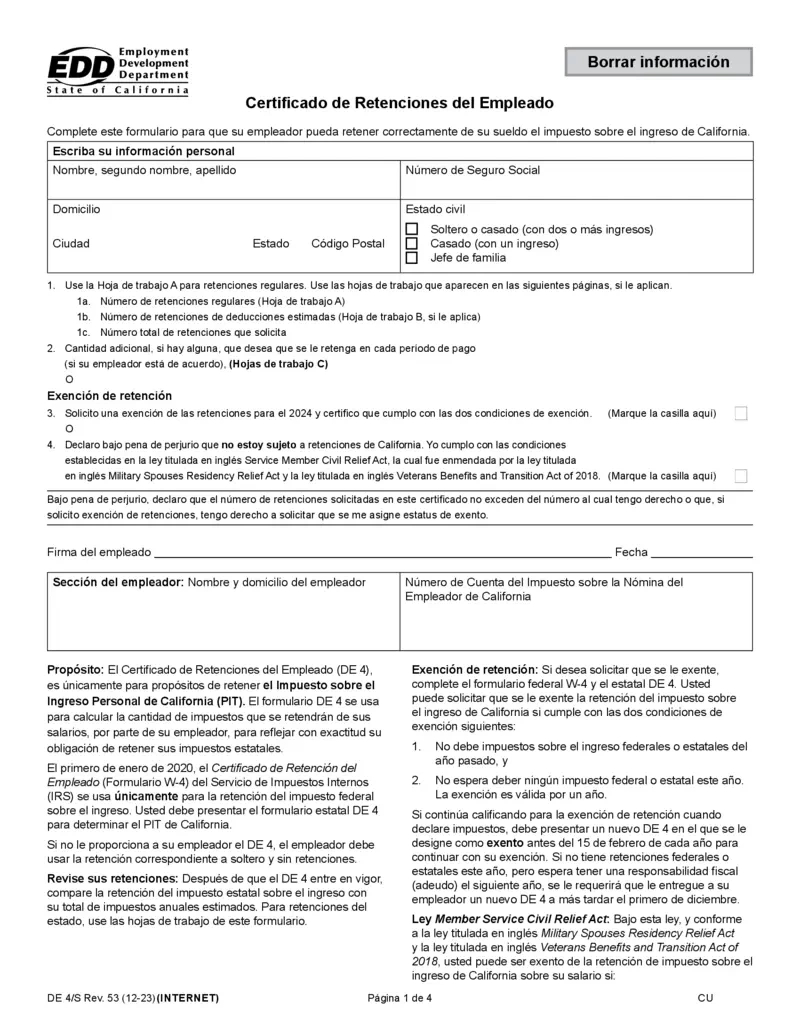
    Free California Employee Withholding Certificate De 4 | Printfriendly throughout Ca W4 Form 2025

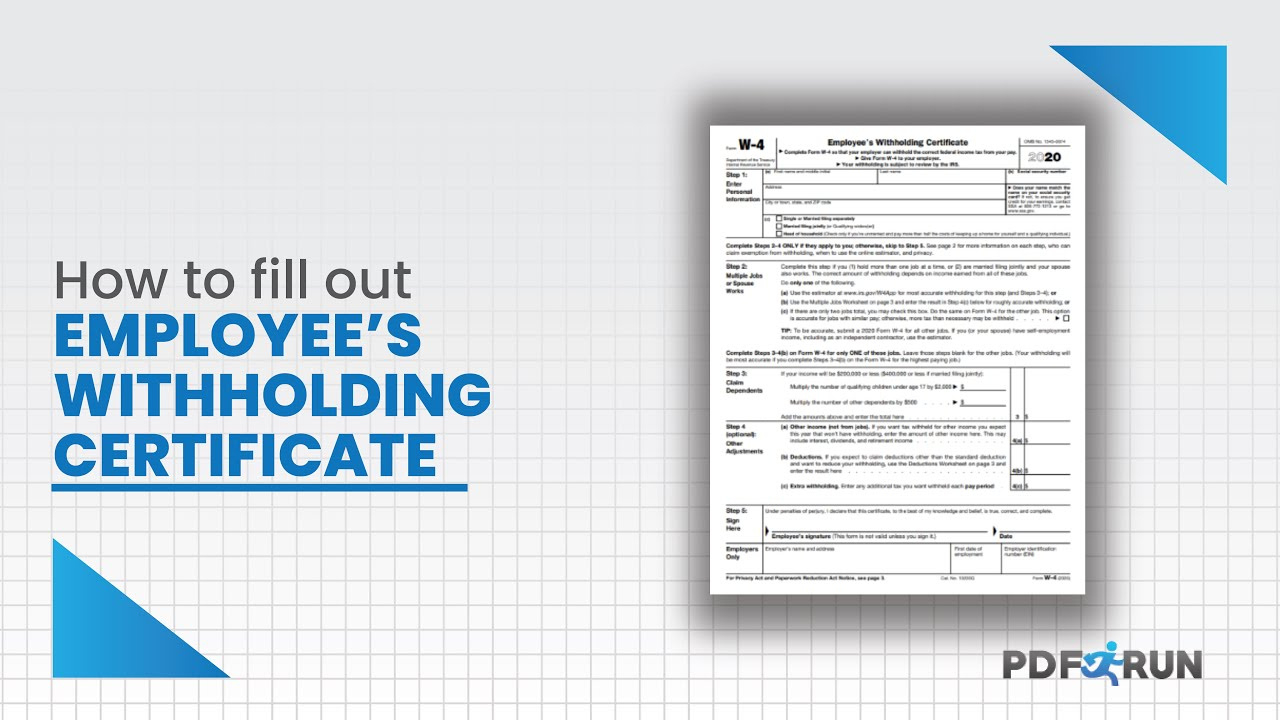
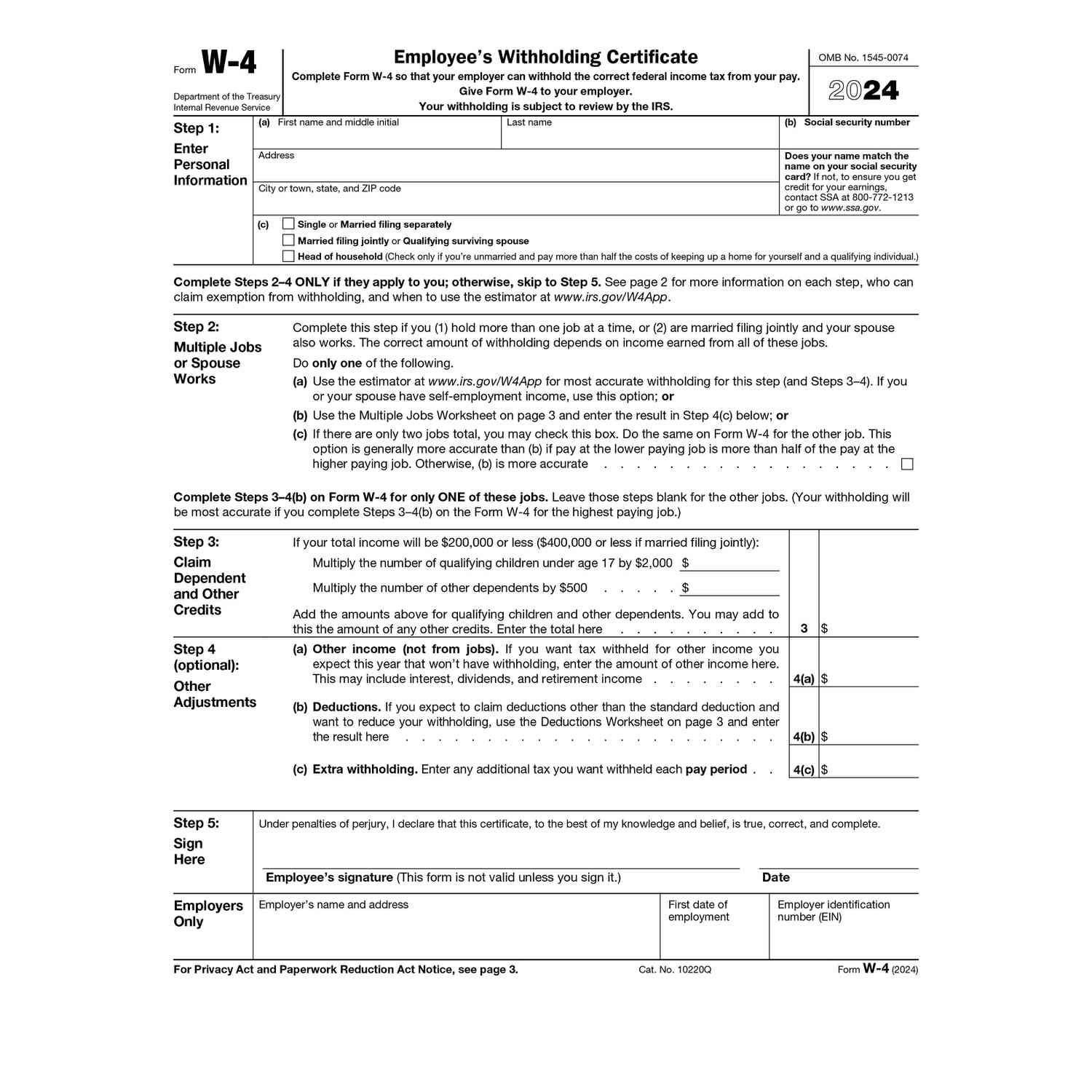
    How To Fill Out Form W-4 pertaining to Ca W4 Form 2025

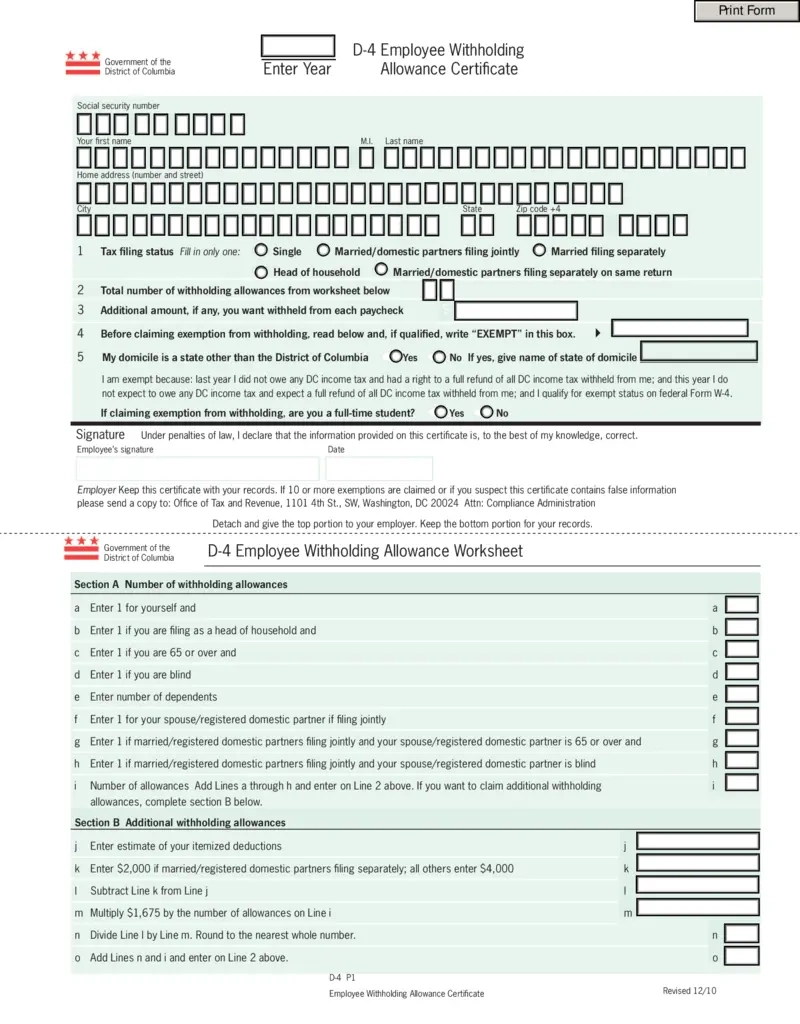
    Free D-4 Employee Withholding Allowance Certificate | Printfriendly pertaining to Ca W4 Form 2025

    Ca W-4 Questions : R/Tax throughout Ca W4 Form 2025

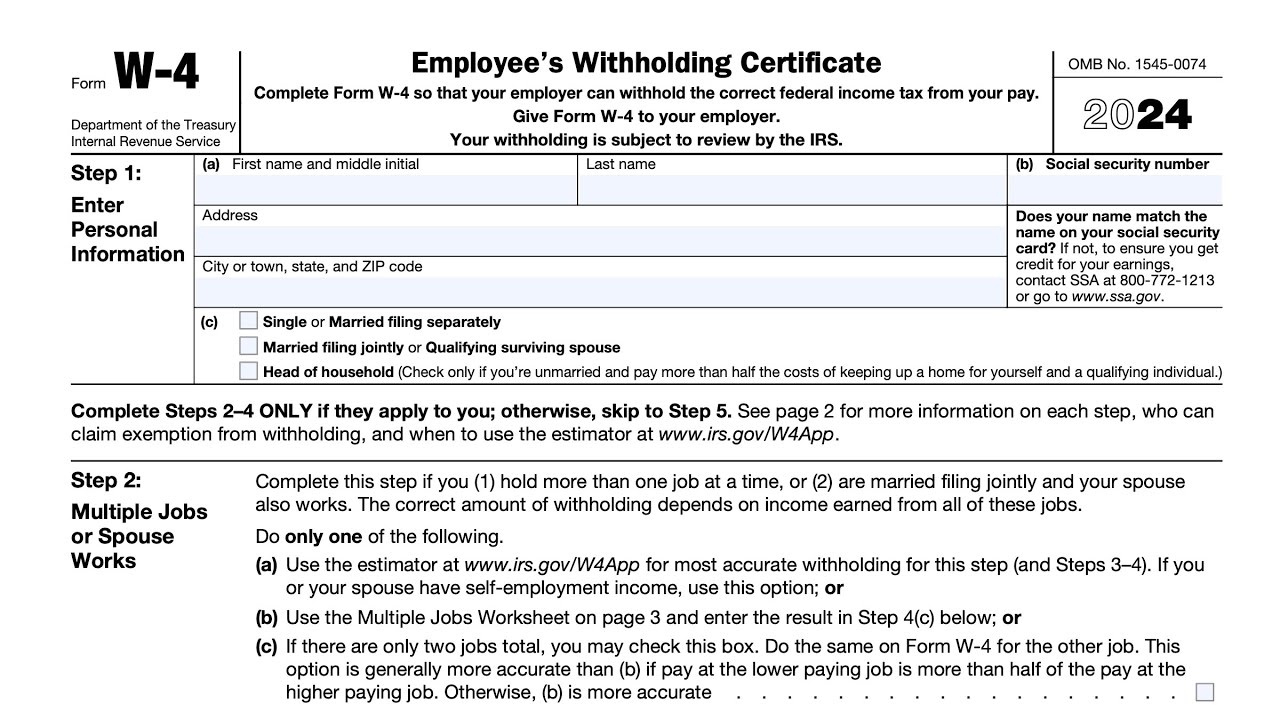
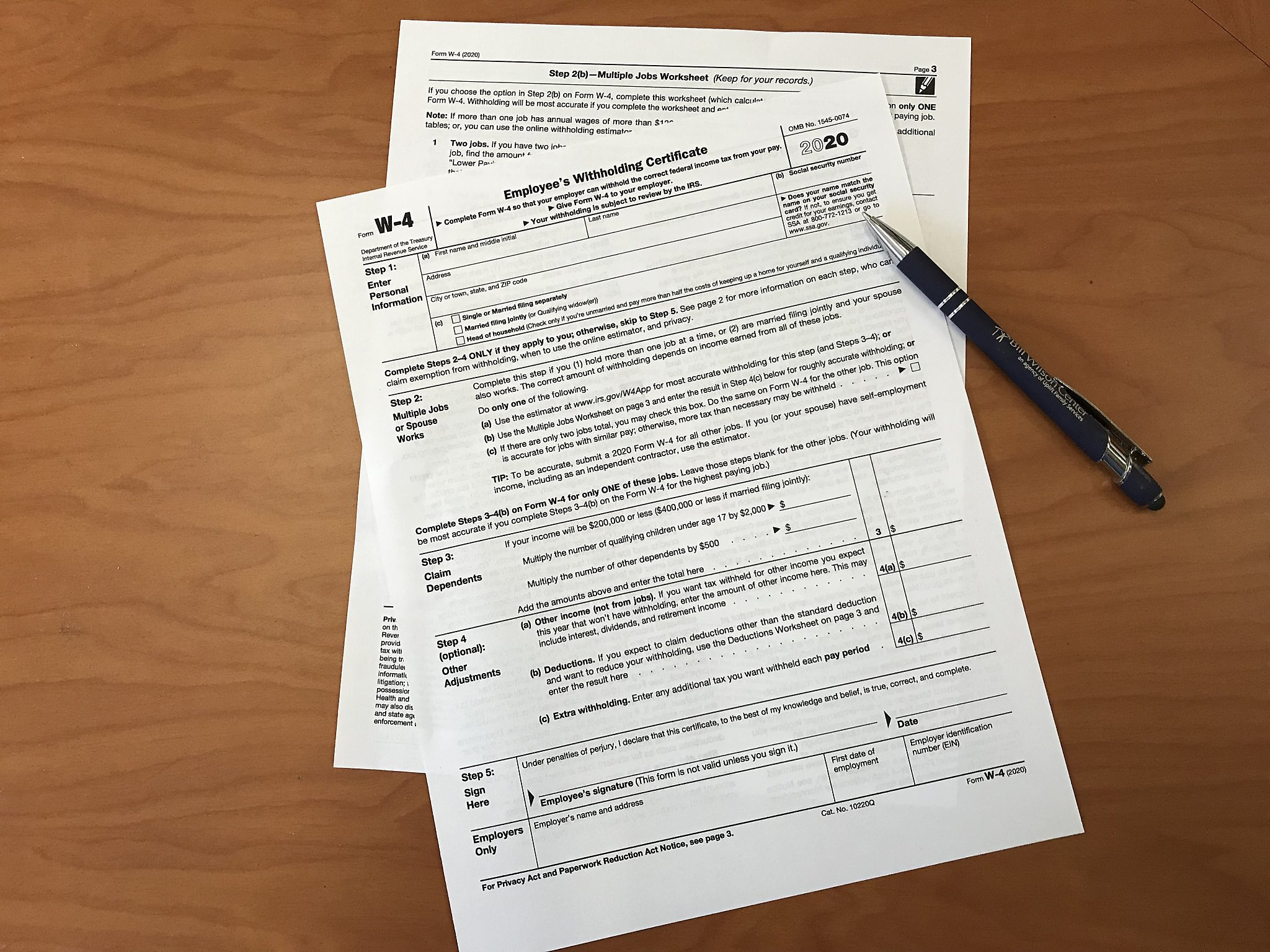
    Irs Form W-4 Walkthrough (Employee'S Withholding Certificate) with regard to Ca W4 Form 2025

    How To Fill Out Form W4 Or Employee'S Withholding Certificate throughout Ca W4 Form 2025

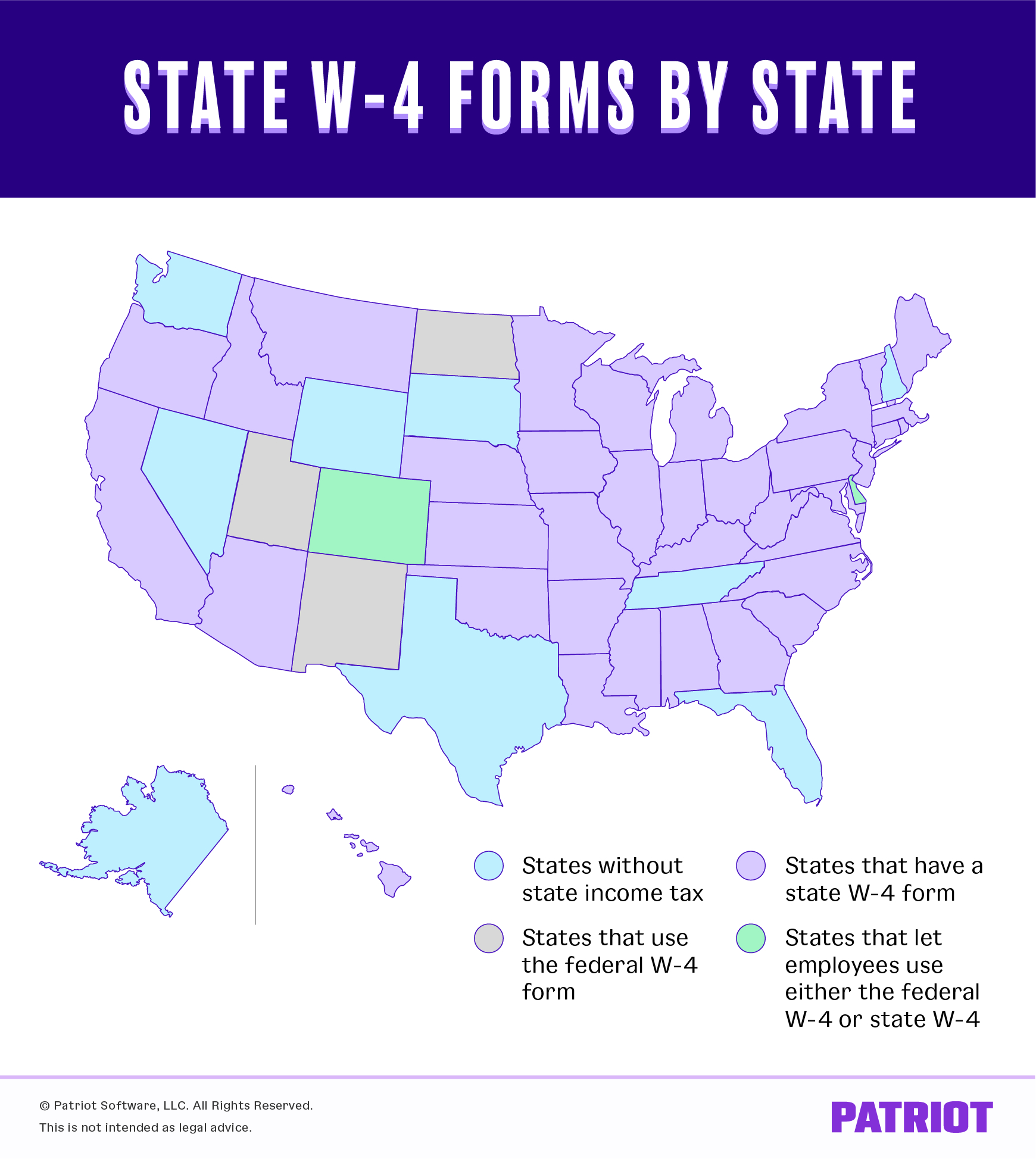
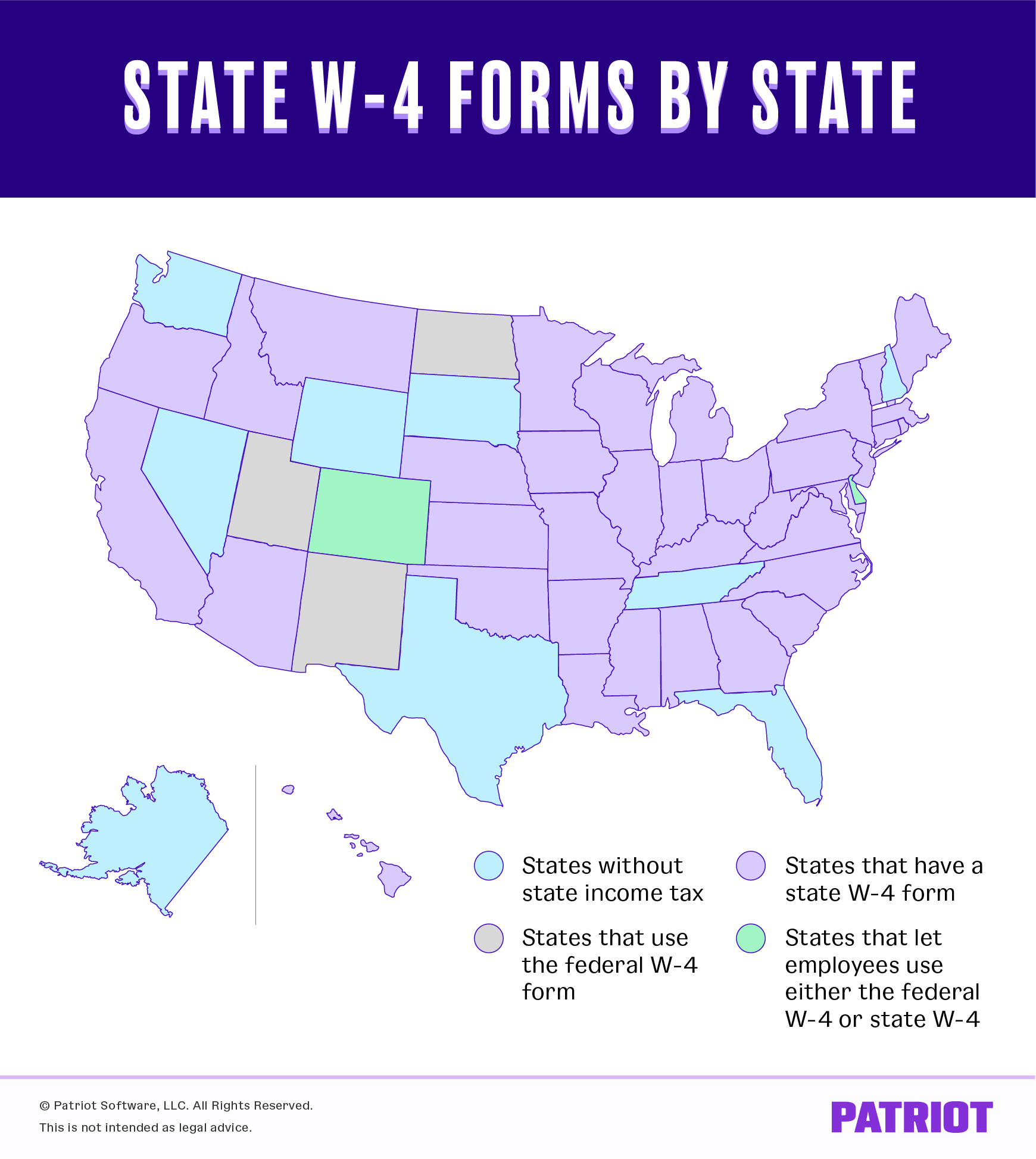
    State W-4 Form | Detailed Withholding Formsstate Chart (2024) intended for Ca W4 Form 2025

    New Irs W-4 Form Could Be Confusing: What You Need To Know with Ca W4 Form 2025

  • CT W4 Form 2025

    CT W4 Form 2025

    CT W4 Form 2025 – Are you feeling overwhelmed by the thought of filling out your CT W4 Form 2025? Don’t worry, we’re here to help unravel the mystery and guide you through the process with ease! Understanding this form is essential for ensuring accurate tax withholding and avoiding any surprises come tax season.

    Unraveling the Mystery of CT W4 Form 2025

    The CT W4 Form 2025 may seem daunting at first glance, but it’s actually quite straightforward once you break it down. This form allows you to specify how much federal income tax should be withheld from your paycheck based on your filing status, number of dependents, and other factors. By providing accurate information on this form, you can ensure that you’re not overpaying or underpaying your taxes throughout the year.

    Navigating the CT W4 Form 2025 is a key step in taking control of your tax situation. By understanding the different sections and how they impact your withholding, you can make informed decisions that will ultimately lead to tax success. Whether you’re single, married, have children, or are claiming deductions, this form is your ticket to ensuring that your tax obligations are met in a way that works best for you.

    Navigate Your Way to Tax Success with CT W4 Form 2025

    As you fill out your CT W4 Form 2025, remember that you have the power to make adjustments as needed. If your financial situation changes, such as getting married or having a child, be sure to update your form accordingly to reflect these life changes. By staying proactive and keeping your withholding information up to date, you can avoid any surprises when tax season rolls around.

    In conclusion, demystifying the CT W4 Form 2025 is a crucial step in achieving tax success. By understanding how this form works and taking the time to accurately fill it out, you can ensure that your tax withholding aligns with your financial situation. So don’t be intimidated by the form – embrace it as your tool for navigating the world of taxes with confidence and ease!

    CT W4 Form 2025

    Related Forms…

    [show-list showpost=10 category=”w4-form” sort=sort]

    CT W4 Form 2025 Images

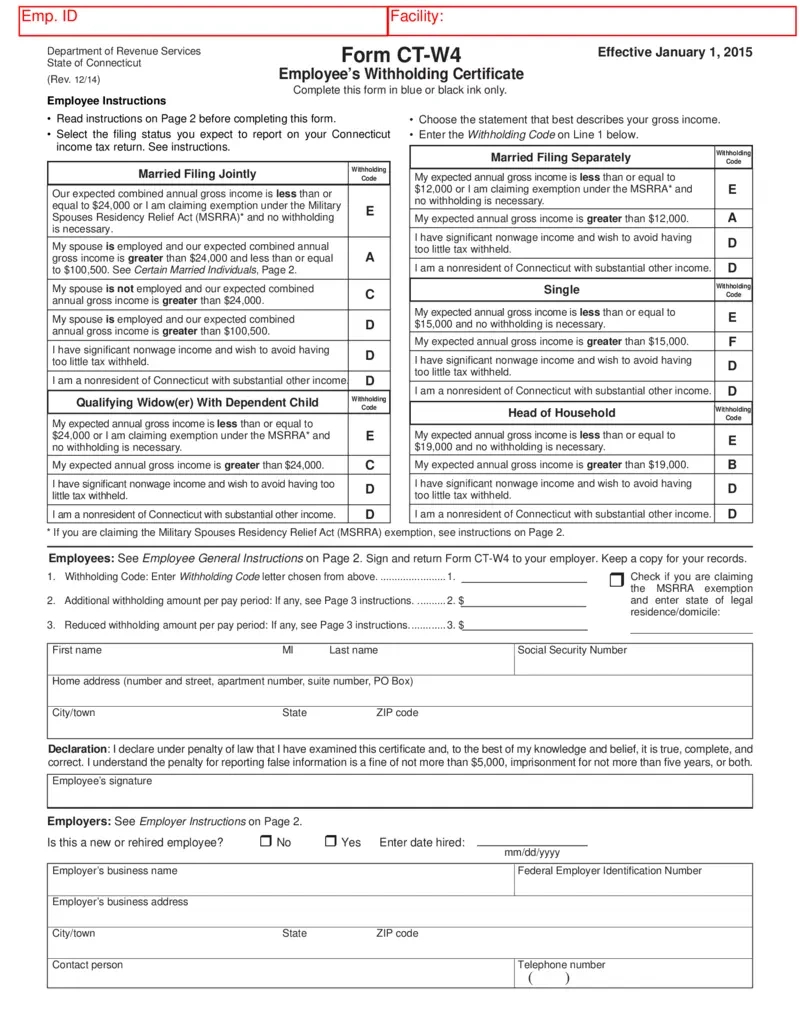
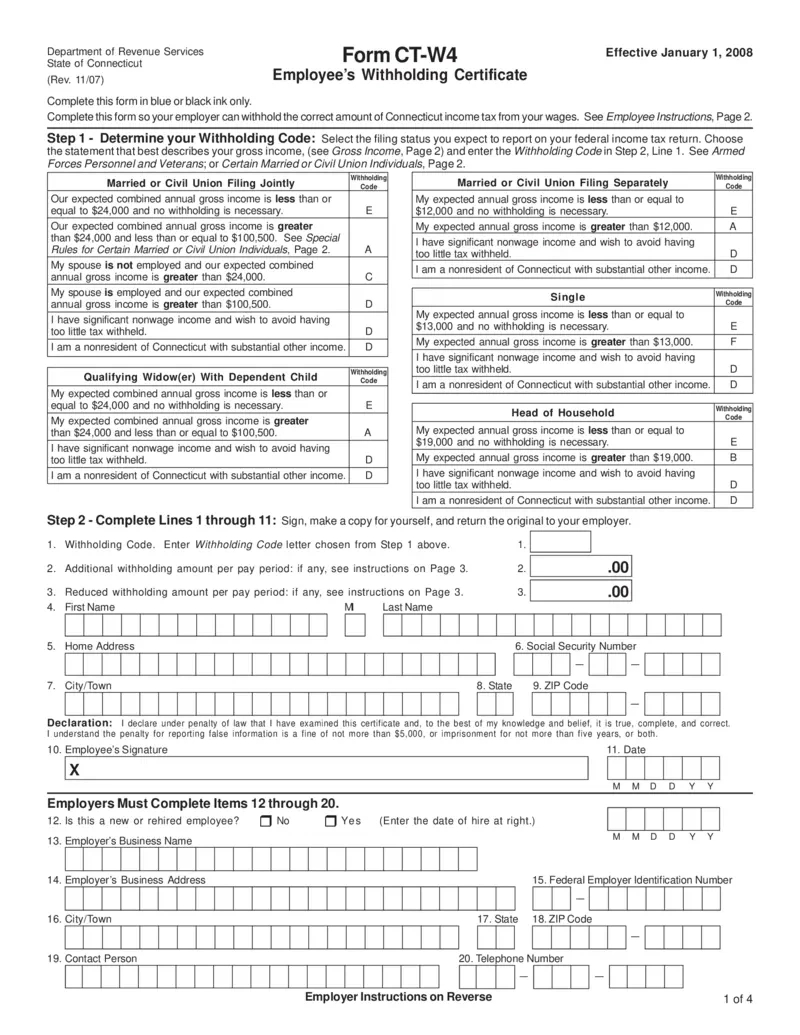
    Free Employee'S Withholding Certificate For Connecticut inside Ct W4 Form 2025

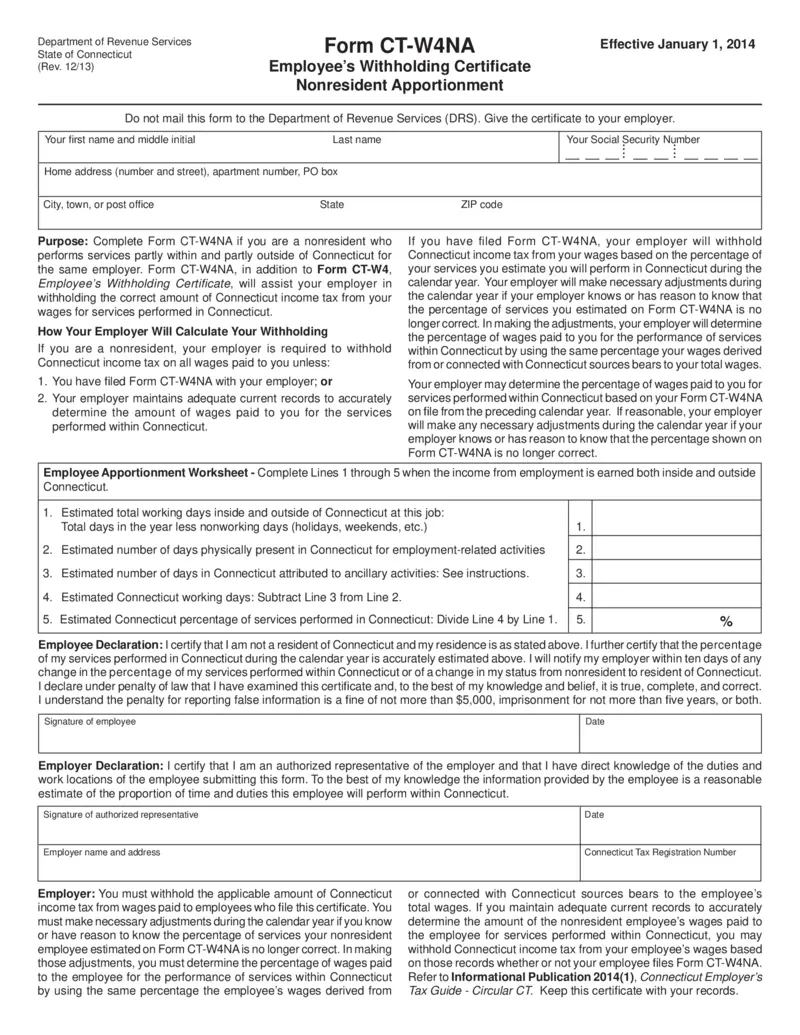
    Free Ct-W4Na Employee Withholding Certificate Form | Printfriendly pertaining to Ct W4 Form 2025

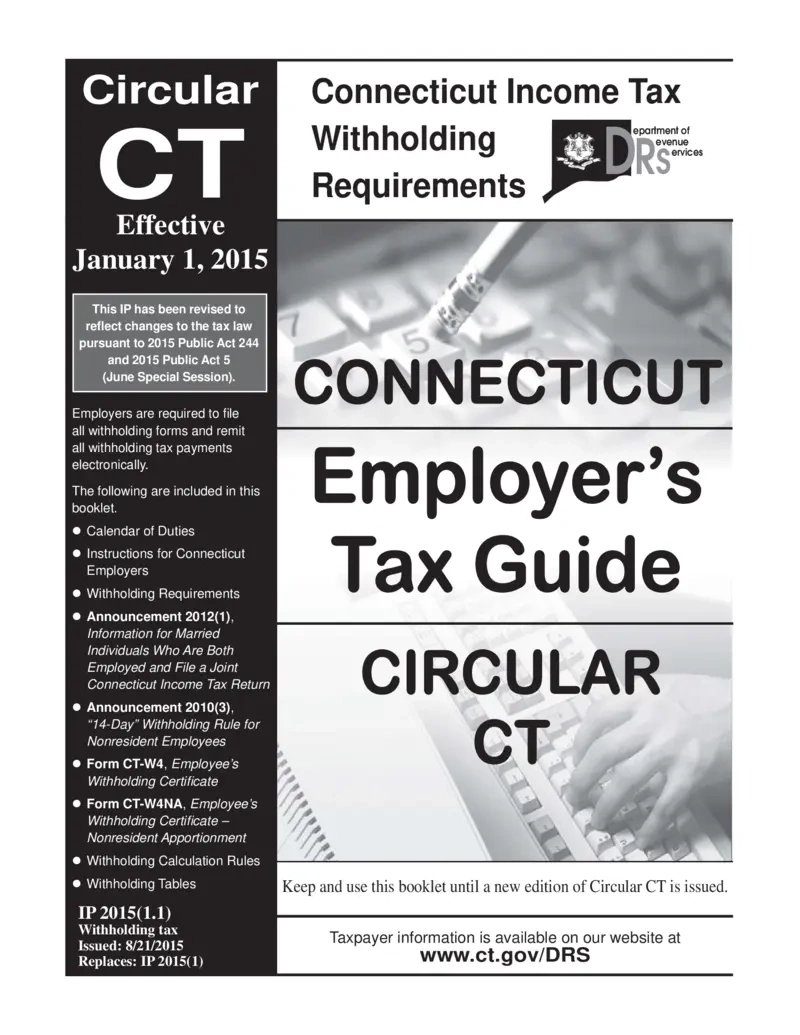
    Free Connecticut Employers Tax Guide Circular Ct | Printfriendly with CT W4 Form 2025

    State W-4 Form | Detailed Withholding Formsstate Chart (2024) pertaining to Ct W4 Form 2025

    Free Michigan Withholding Exemption Certificate Mi-W4 Form throughout Ct W4 Form 2025

    State W-4 Form | Detailed Withholding Formsstate Chart (2024) pertaining to Ct W4 Form 2025

    How To Fill Out Form W4 Or Employee'S Withholding Certificate for Ct W4 Form 2025

    Free Ct-W4 Employee'S Withholding Certificate Form | Printfriendly pertaining to Ct W4 Form 2025

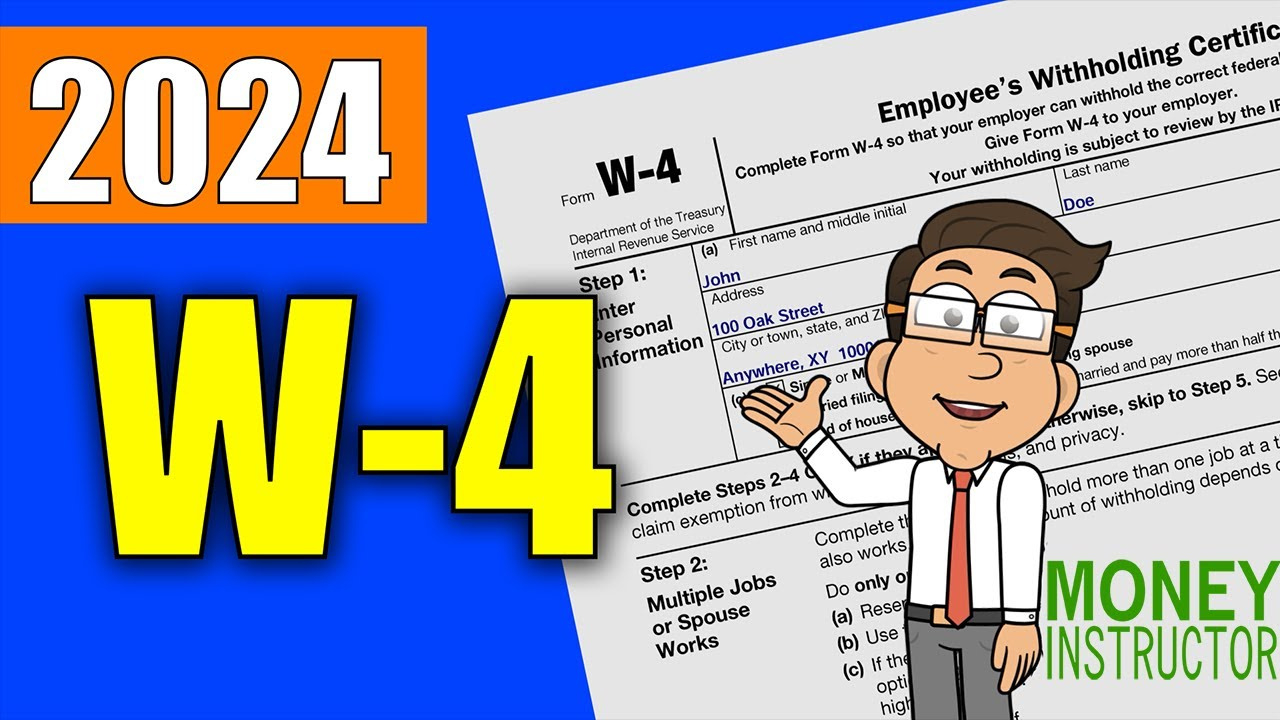
    W4 Form 2024 Quick Overview | Filling Out The W-4 Tax Form | Money Instructor within CT W4 Form 2025

    State W-4 Form | Detailed Withholding Formsstate Chart (2024) within CT W4 Form 2025

  • Mass W4 Form 2025

    Mass W4 Form 2025

    Mass W4 Form 2025 – Are you ready to take control of your financial future and unlock your full potential? Look no further than the Mass W4 Form 2025! This powerful tool is your key to financial success and can help you make the most of your income. By properly filling out this form, you can ensure that you are maximizing your tax deductions and credits, ultimately putting more money back in your pocket.

    With the Mass W4 Form 2025, you have the opportunity to strategically plan your finances and set yourself up for success. By carefully considering your tax withholding allowances and making adjustments as needed, you can ensure that you are not overpaying or underpaying your taxes throughout the year. This can lead to a more accurate tax return come tax season, allowing you to potentially receive a larger refund or owe less to the government.

    Discover How Mass W4 Form 2025 Can Transform Your Finances!

    Transform your financial situation with the Mass W4 Form 2025 and watch as your money works harder for you. By taking the time to understand the intricacies of this form and how it can impact your overall financial picture, you can make informed decisions that will benefit you in the long run. Whether you are looking to save for a rainy day, invest in your future, or simply have more disposable income, the Mass W4 Form 2025 can help you achieve your financial goals.

    Don’t let your finances control you – take charge with the Mass W4 Form 2025 and unlock the full potential of your income. By leveraging this powerful tool, you can optimize your tax situation, reduce financial stress, and pave the way for a brighter financial future. Say goodbye to uncertainty and hello to financial freedom – the Mass W4 Form 2025 is here to help you reach new heights of financial success.

    In conclusion, the Mass W4 Form 2025 is a game-changer when it comes to managing your finances effectively. By understanding how to utilize this form to your advantage, you can take control of your financial destiny and pave the way for a brighter future. Don’t wait any longer – unlock the potential of the Mass W4 Form 2025 today and watch as your financial dreams become a reality!

    Mass W4 Form 2025

    Related Forms…

    [show-list showpost=10 category=”w4-form” sort=sort]

    Mass W4 Form 2025 Images

    How To Fill Out Form W-4 with regard to Mass W4 Form 2025

    W4 Form 2024 Quick Overview | Filling Out The W-4 Tax Form | Money Instructor with regard to Mass W4 Form 2025

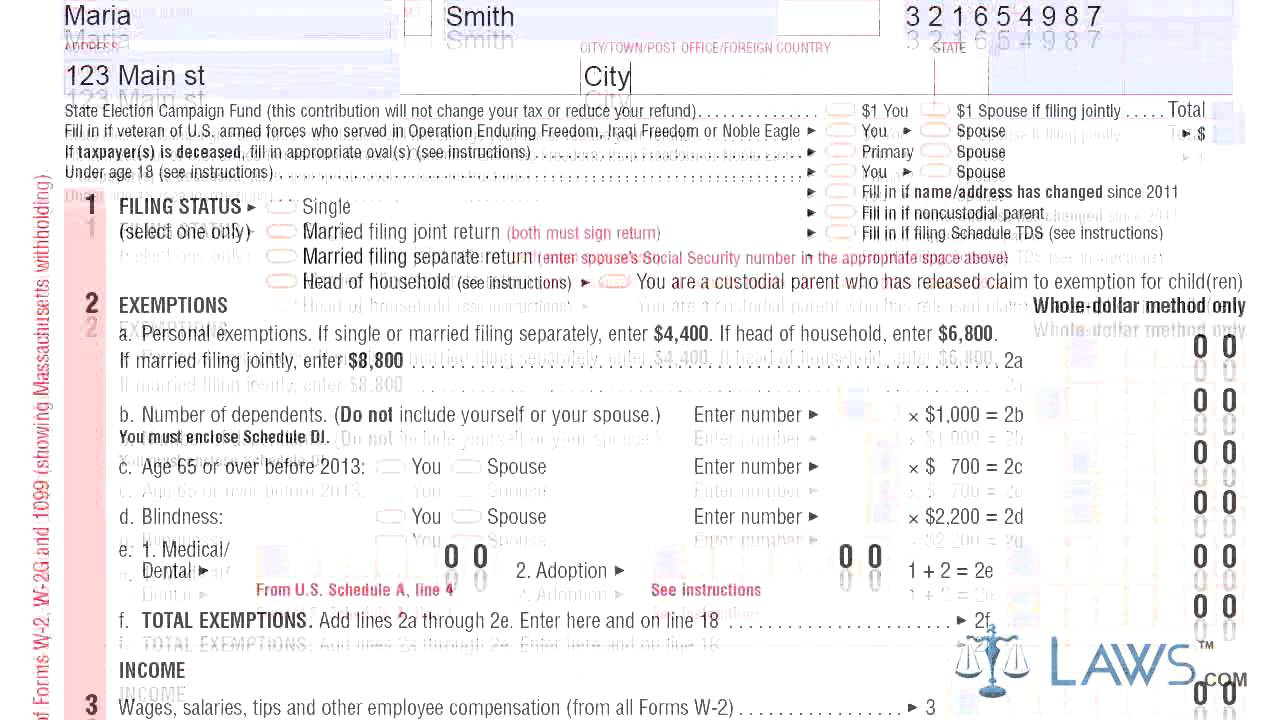
    Form 1 Massachusetts Resident Income Tax Return within Mass W4 Form 2025

    How To Fill Out Form W-4 pertaining to Mass W4 Form 2025

    State W-4 Form | Detailed Withholding Formsstate Chart (2024) with Mass W4 Form 2025

    State W-4 Form | Detailed Withholding Formsstate Chart (2024) within Mass W4 Form 2025

    State W-4 Form | Detailed Withholding Formsstate Chart (2024) intended for Mass W4 Form 2025

    How To Fill Out A W-4 | Optima Tax Relief throughout Mass W4 Form 2025

    Union Budget 2022 News: Assocham Recommends Simplifying Tds Regime throughout Mass W4 Form 2025

    Form Pte Ex: Fill Out & Sign Online | Dochub pertaining to Mass W4 Form 2025